
Simple Methods That Keep Your Yard Borders Sharp for Years
The best lawn edging techniques for long lasting results focus on proper prep, the right materials, and routine upkeep. When you cut a clean edge, install a solid border, and maintain it each season, your yard stays neat and easy to manage. A strong edge also keeps grass from spreading into flower beds and walkways.
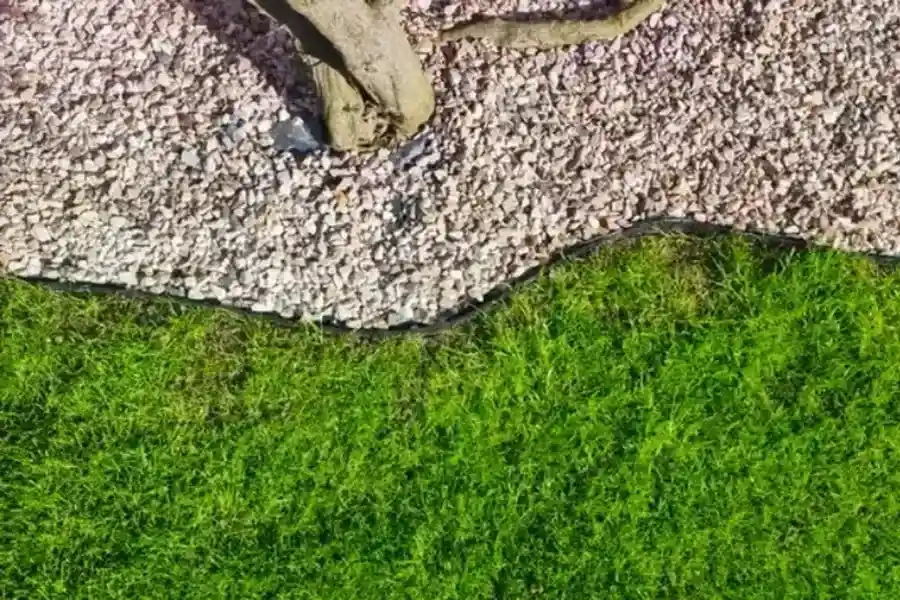
Why Prevention Matters
Many yards start with sharp lines, but they fade over time. Grass creeps into mulch. Soil spills onto sidewalks. Without regular lawn edging, your yard can look messy even if the grass is freshly cut.
Prevention saves time later. When edges are set correctly from the start, you trim less and fight fewer weeds. A solid border also protects roots and keeps water where it belongs.
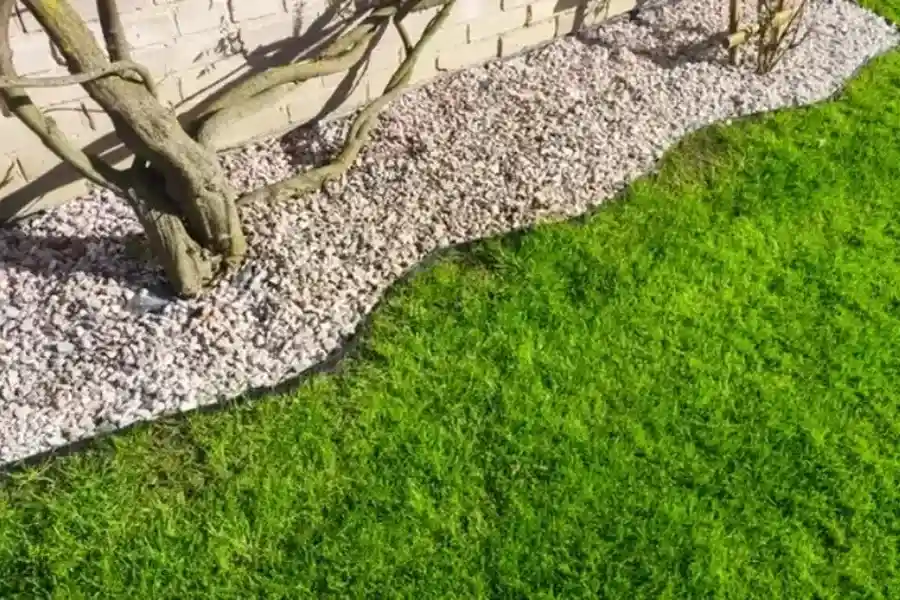
Early Warning Signs Your Edges Are Failing
It helps to spot small problems before they grow. Watch for these signs:
- Grass growing into garden beds
- Mulch spilling onto the lawn
- Uneven or wavy borders
- Cracked or shifting edging material
- Soil erosion after rain
If you notice any of these, your lawn edging likely needs attention. Quick action now can stop bigger repairs later.
Seasonal Checklist for Strong Borders
A simple routine each season keeps edges looking sharp. Here is an easy plan to follow:
- In spring, reshape edges with a flat spade or mechanical edger.
- Remove built-up grass and roots along borders.
- Check metal, plastic, or stone edging for movement.
- Add fresh mulch to keep lines clean and visible.
- In summer, trim along edges every one to two weeks.
- In fall, clear leaves so moisture does not weaken borders.
This routine works for most home landscapes. It pairs well with general landscape maintenance and keeps the yard tidy all year.
Best Practices for Long-Term Results
The right technique makes a big difference. One strong method is to cut a deep, V-shaped trench between the lawn and bed. This trench acts as a barrier. It slows grass roots from crossing over.
If you prefer installed materials, choose durable options. Steel edging lasts longer than thin plastic. Concrete curbing gives a solid border but costs more upfront. Stone looks natural but must be set firmly on level ground.
When installing physical borders, always:
- Dig a level trench
- Compact the soil at the base
- Anchor the edging tightly
- Backfill and tamp the soil firmly
Water the area after installation to help the soil settle. Check the border after heavy rain. Movement early on can lead to gaps later.
What Not to Do
Avoid shallow cuts that barely separate grass from beds. These fade within weeks. Do not rush the prep step. Poor soil leveling causes edging to tilt or sink.
Also, do not ignore root growth. Grass spreads underground. If you skip routine trimming, roots can push under plastic or between stones. Once that happens, repairs take more time.
Another common mistake is mixing too many edging styles in one yard. This makes the space look uneven. Pick one clean style and repeat it for a unified look.
When to Schedule Professional Help
Some projects are simple. Others need special tools and skill. If you want concrete curbing, large stone borders, or edging across a sloped yard, hiring a team may be the better choice.
You may also need help if:
- Your borders shift every season
- Drainage problems wash out soil
- Tree roots disrupt your edging line
- You want a full yard redesign
Professional lawn edging can save time and deliver cleaner, straighter lines. It also helps prevent repeat fixes year after year.
Get Clean, Lasting Results for Your Yard
If your yard in Moncks Corner, SC needs sharper borders, we are ready to help. At Murphy's Lawn Service, we handle lawn edging and full landscape maintenance with care and attention to detail. Call (843) 226-7292 to schedule a visit and let us create clean lines that last through every season.